
Struggling with Traditional Therapy? 50+ Creative Farm Activities That Actually Work

When life feels overwhelming and you've tried traditional therapy without finding the breakthrough you're hoping for, you're not alone. Many of us have sat in those sterile office chairs, staring at diplomas on walls, wondering why we're not feeling better despite our best efforts. The truth is, healing doesn't have to happen within four walls – sometimes it flourishes best under open skies, with muddy boots and gentle animal companions by our side.
At Karinya Farm, we've witnessed countless individuals discover their path to wellness through farm-based therapy activities that feel more like meaningful life experiences than clinical treatments. Let's explore how nature-based healing can offer the fresh perspective you've been searching for.
Why Farm Activities Succeed Where Traditional Therapy Struggles
Traditional therapy works beautifully for many people, but if you're reading this, you might be one of those who needs something different. Farm-based therapy removes the clinical atmosphere that can sometimes feel intimidating or disconnected from real life. Instead of talking about your challenges in an office, you're actively working through them while caring for animals, growing food, and connecting with the natural world.
Research shows that farm-based therapy is particularly effective for anxiety disorders, depression, ADHD, autism spectrum disorder, and PTSD. The magic happens because these activities naturally reduce stress hormones, provide structure and routine, offer tangible accomplishments, and create emotional connections that feel genuine and unforced.
Animal-Centered Healing Activities
Equine Interactions (1-15)
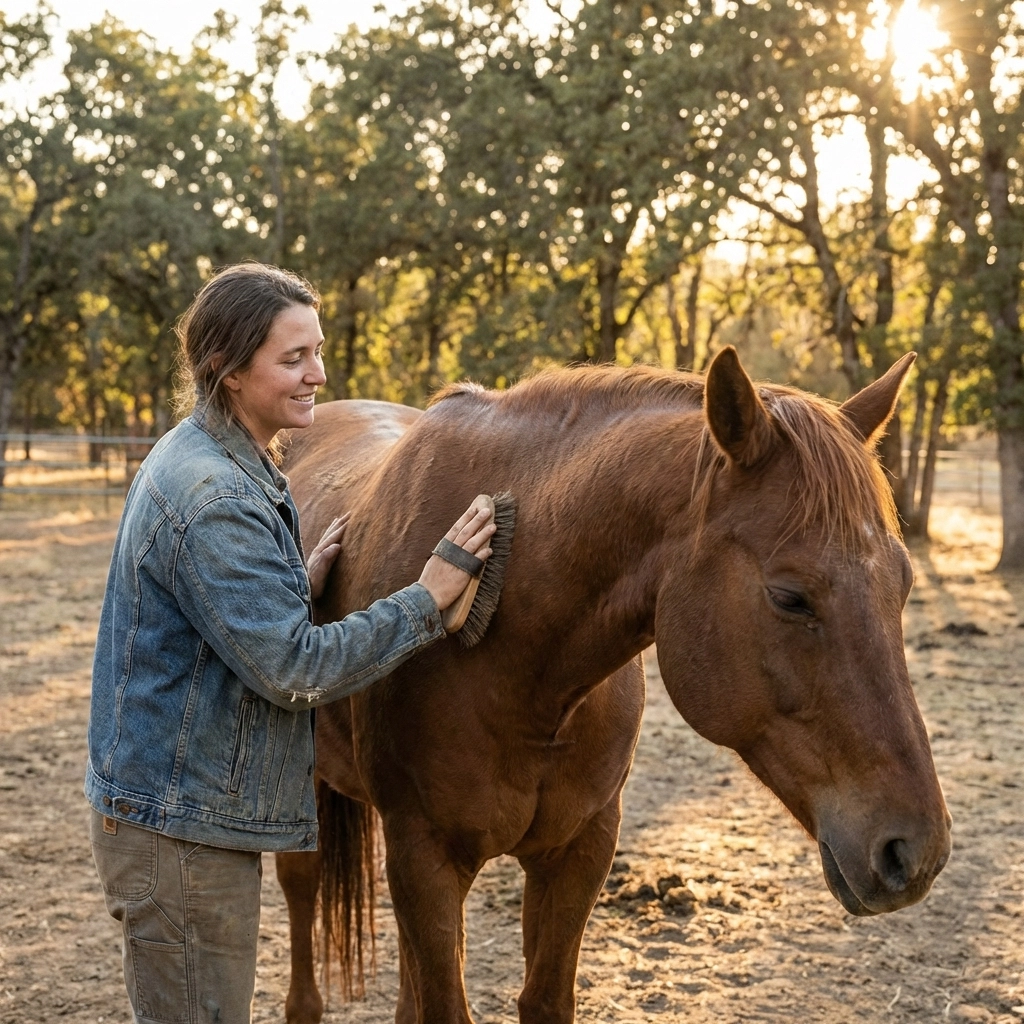
Grooming horses while practicing mindfulness
Learning to read horse body language and emotions
Leading horses through obstacle courses
Feeding and watering routines
Mucking out stalls as moving meditation
Horse massage and stretching exercises
Ground work and trust-building exercises
Horseback riding for confidence building
Teaching horses simple tricks
Walking horses on trails
Horse photography sessions
Creating art while sitting with horses
Brushing manes and tails as stress relief
Cleaning and organizing tack
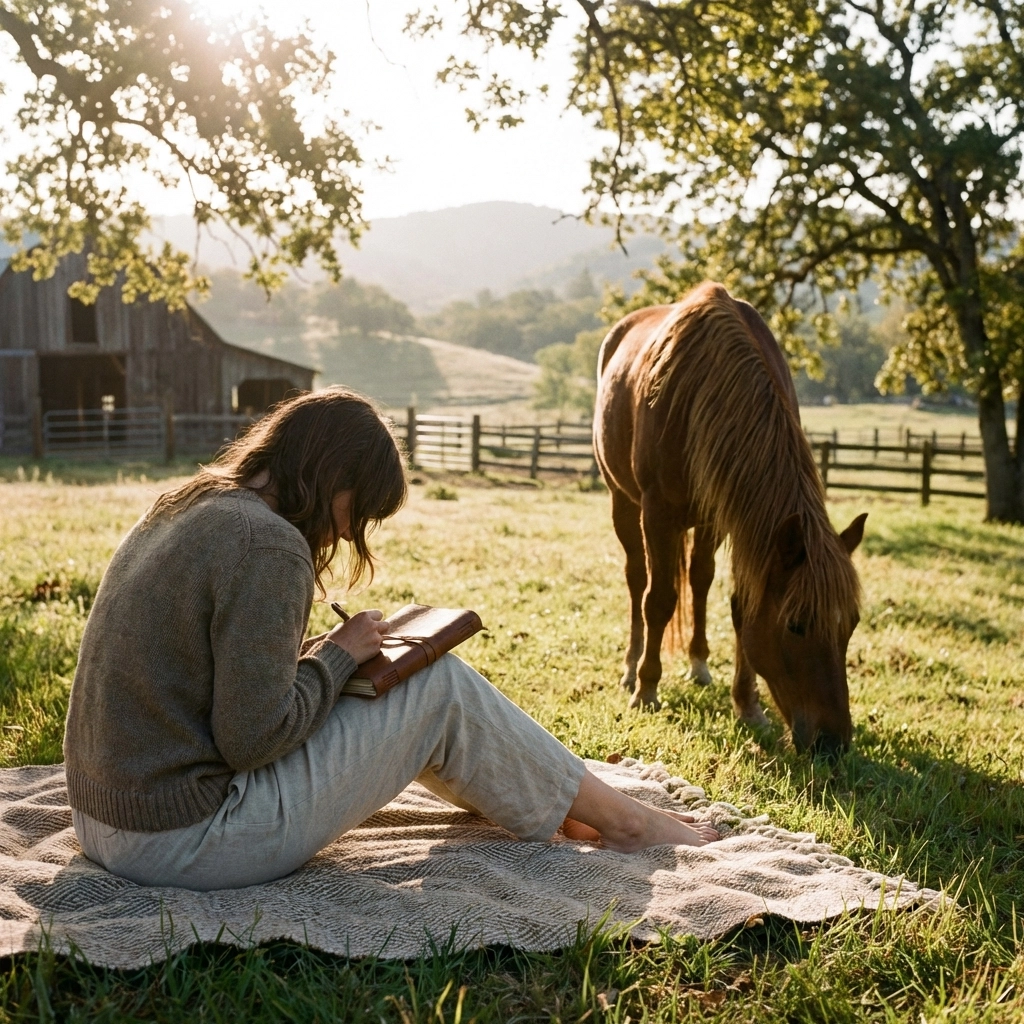
Simply sitting quietly with horses in their paddock
Small Animal Care (16-28) 16. Collecting fresh eggs from chickens each morning 17. Building chicken coops and runs 18. Hand-feeding friendly farm animals 19. Training chickens to come when called 20. Bottle-feeding young animals 21. Teaching pigs to navigate obstacle courses 22. Sheep shearing demonstrations 23. Goat milking and cheese-making 24. Building rabbit hutches 25. Alpaca fiber harvesting 26. Creating enrichment toys for animals 27. Animal first aid and health monitoring 28. Documenting animal behavior and personalities
Garden-Based Therapeutic Activities
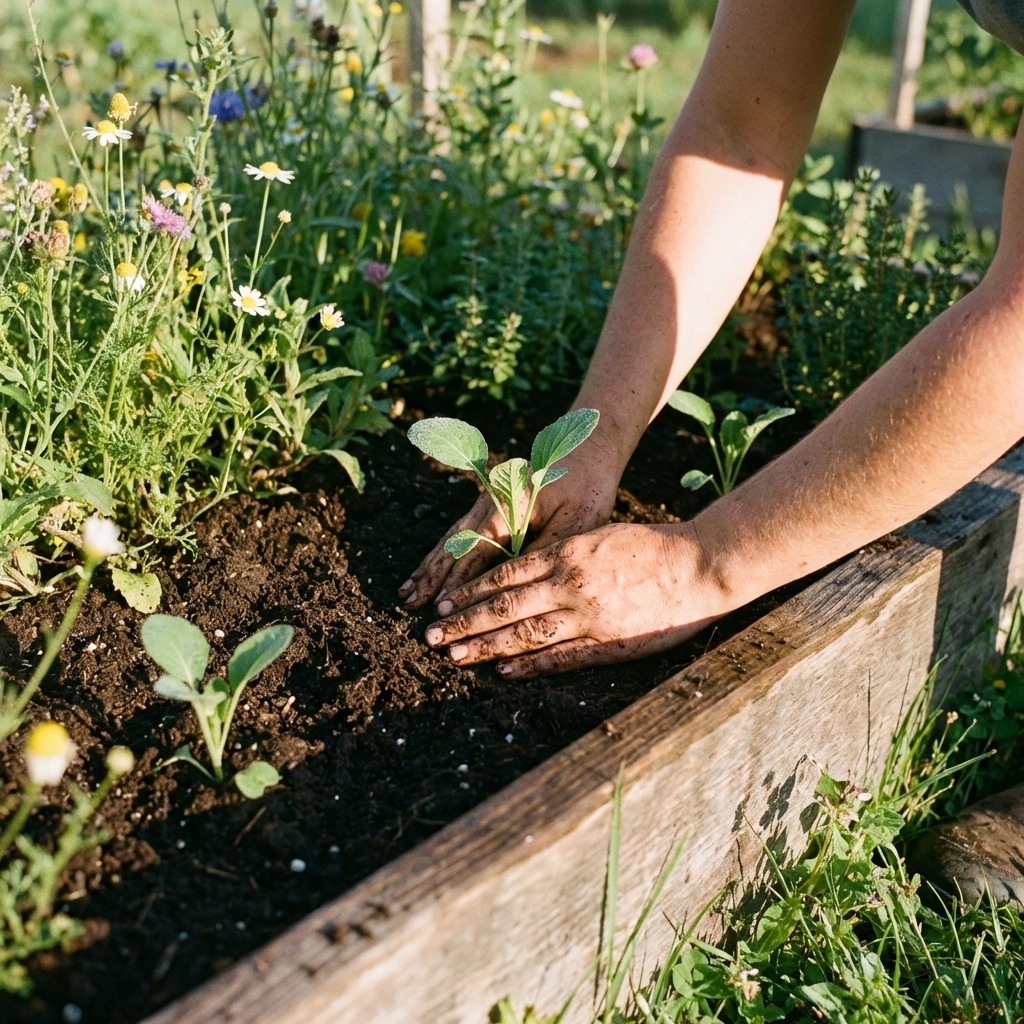
Growing and Nurturing (29-42) 29. Starting seeds in greenhouse environments 30. Transplanting seedlings with gentle care 31. Harvesting vegetables at peak ripeness 32. Composting organic matter mindfully 33. Building raised garden beds together 34. Creating herb spiral gardens 35. Pressing flowers for art projects 36. Identifying beneficial insects and birds 37. Setting up drip irrigation systems 38. Saving seeds for future seasons 39. Creating garden journals with drawings 40. Building trellises for climbing plants 41. Planting native flowers for pollinators 42. Designing therapeutic sensory gardens
Physical Farm Work That Heals
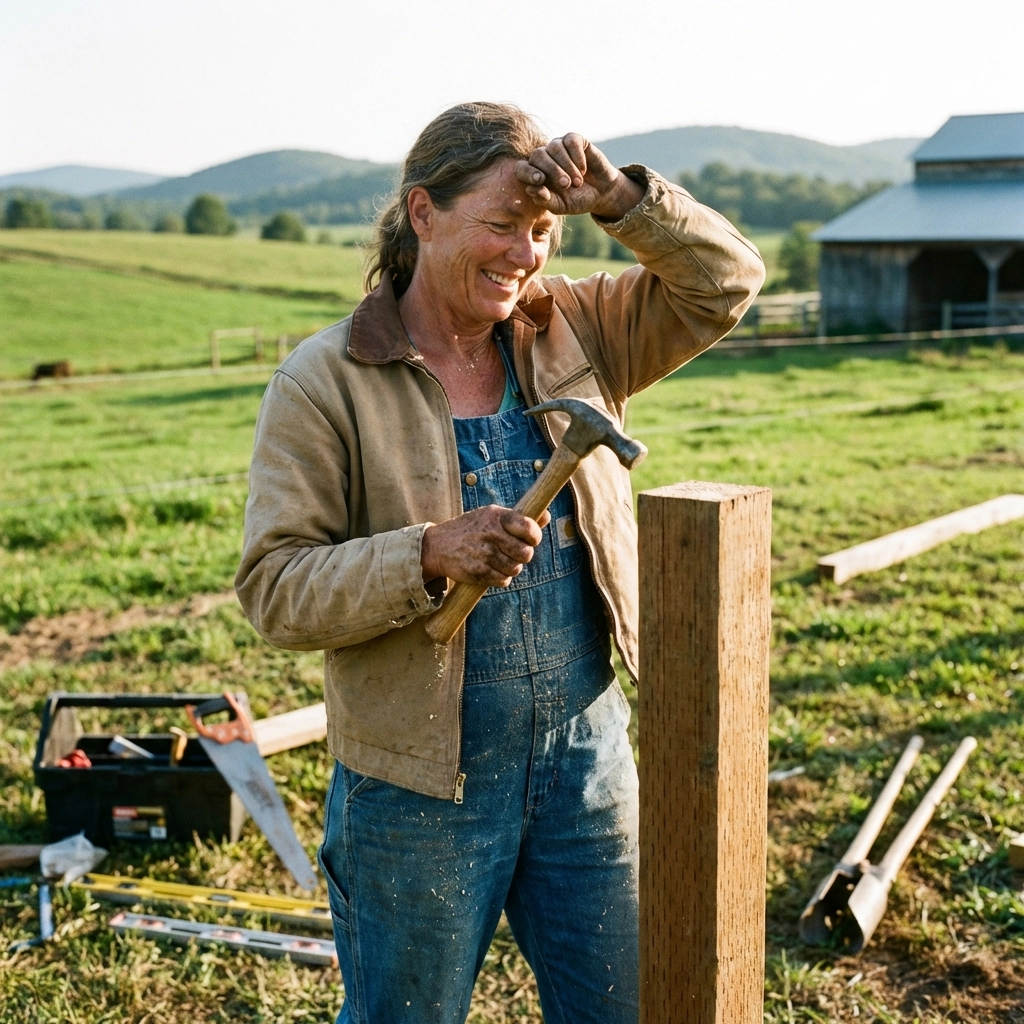
Meaningful Labor (43-58) 43. Repairing fences while problem-solving 44. Building simple farm structures 45. Moving hay bales as strength training 46. Digging irrigation ditches 47. Wheelbarrow balancing exercises 48. Chopping and stacking firewood 49. Painting barn walls and structures 50. Cleaning and organizing tool sheds 51. Building walking paths through property 52. Installing bird houses and bat boxes 53. Creating outdoor seating areas 54. Setting up rainwater collection systems 55. Building compost bin systems 56. Constructing simple greenhouses 57. Creating fire pits for gathering spaces 58. Maintaining farm equipment together
Nature Immersion and Mindfulness
Connecting with the Land (59-65) 59. Morning nature walks for meditation 60. Identifying local plants and trees 61. Bird watching with field guides 62. Creating nature mandalas with found objects 63. Outdoor journaling under trees 64. Foraging for edible wild plants (safely) 65. Stargazing and moon phase tracking
How These Activities Address Your Specific Challenges
For Anxiety: The repetitive nature of activities like grooming animals or weeding gardens naturally calms your nervous system. You're focused on the present moment rather than worried about past regrets or future fears. The predictable routines create a sense of safety and control.
For Depression: Physical activity combined with sunlight exposure naturally boosts mood-regulating chemicals in your brain. Caring for living things gives you purpose and connection, while the seasonal cycles of farm life remind you that difficult periods do pass.
For ADHD: Farm activities provide structure without rigidity. You can move your body while engaging your mind, and there's no pressure to sit still in uncomfortable chairs. Tasks have clear beginnings and endings, providing satisfying completion cycles.
For Trauma Recovery: Animals don't judge, and they respond to your energy rather than your words. This helps rebuild trust and emotional regulation in a safe environment. Physical work helps release stored trauma from your body naturally.
What Makes Farm Therapy Different
Unlike traditional talk therapy, farm-based healing engages all your senses. You're not just thinking about change – you're physically experiencing it. The smell of fresh hay, the warmth of sun on your shoulders, the satisfaction of completing meaningful work, and the unconditional acceptance of animals create a multi-dimensional healing experience.
You're also part of something larger than yourself. Contributing to the care of animals and land gives you purpose and connection to natural cycles. There's something profoundly healing about watching seeds you planted grow into food that nourishes others.
Getting Started: What to Expect
Your first visit to a therapy farm might feel different from what you're used to. You'll likely start with simple activities that match your comfort level and physical abilities. Maybe that's sitting with a calm horse, picking tomatoes, or helping feed chickens. There's no pressure to dive into intensive physical work if that doesn't feel right for you.
The beauty of farm-based therapy is its flexibility. Some days you might need the gentle rhythm of gardening, while other days you might crave the more vigorous work of building or hauling. Your therapist will help you choose activities that support your healing goals while honoring where you are each day.
Remember, healing takes time, and every small step forward counts. The animals and land will be there consistently, offering the same unconditional acceptance whether you're having a challenging day or celebrating a breakthrough.
Your Next Step Forward
If you've been struggling with traditional therapy approaches, consider that your path to wellness might be waiting in a barn or garden bed. At Karinya Farm, we understand that healing isn't one-size-fits-all, and we're here to help you discover what works for your unique journey.
We invite you to explore our approach and see how farm-based therapy might be the missing piece in your wellness puzzle. Together, we can find the activities that resonate with your heart and support your path forward.
Your healing journey deserves to happen in whatever environment helps you flourish. Sometimes that place is a peaceful pasture, with gentle animals as your companions and the rhythm of natural life as your guide.
Comments