
7 Creative Counselling Activities That Actually Work (And Why Kids Love Them)

When life feels overwhelming for our young ones, finding the right way to help them open up can feel like trying to solve a puzzle with missing pieces. Maybe your child has been quieter than usual, struggling at school, or dealing with big emotions they can't quite put into words. We get it, watching your child navigate difficult feelings is one of the hardest parts of parenting.
Here's the thing: traditional talk therapy doesn't always click with kids. And that's completely okay. Children process the world differently than adults. They learn through play, exploration, and creativity. So it makes sense that the most effective counselling approaches for young people look nothing like sitting in a chair and talking about feelings.
Let's explore seven creative counselling activities that genuinely work, and discover why kids actually look forward to them.
Why Creative Activities Work Better for Kids
Before we dive into the specific activities, let's take a moment to understand why these approaches are so effective.
Children's brains are still developing, which means they often struggle with abstract thinking and verbal processing. Asking a seven-year-old "How does that make you feel?" might get you a shrug or a confused look, not because they don't have feelings, but because they haven't yet developed the vocabulary or self-awareness to articulate complex emotions.
Creative activities bypass this barrier entirely. When children engage in play-based therapy, they're expressing themselves in their natural language. The therapeutic work happens organically, often without children even realising they're processing difficult experiences.
1. Sand Tray Therapy: Building Worlds, Processing Feelings
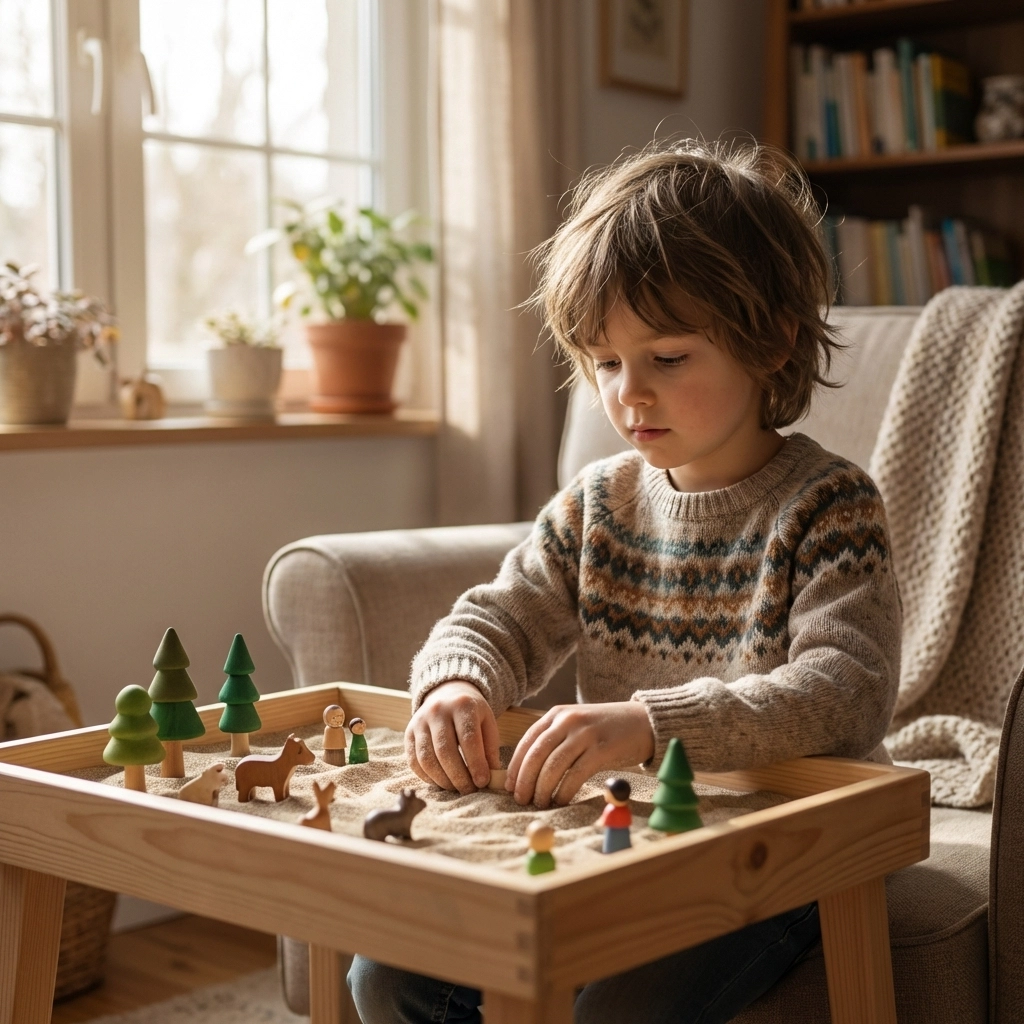
Imagine giving a child a tray filled with sand and hundreds of miniature figures, animals, people, buildings, trees, vehicles, fantasy creatures. Now imagine asking them to create whatever world they'd like.
What happens: Children instinctively create scenes that reflect their inner world. A child dealing with family conflict might position figures far apart or create barriers between them. A child processing grief might bury certain figures or create memorial scenes.
Why kids love it: There's something deeply satisfying about running your fingers through sand. The tactile experience is calming, and the creative freedom feels like play. Children often become so absorbed in their creations that they forget they're in a counselling session.
Why it works: Sand tray therapy provides a non-verbal way for children to express emotions they might not have words for. The therapist can gently explore the scenes with the child, asking questions like "Tell me about this character" or "What's happening over here?" This creates opportunities for insight without pressure.
2. Art Activities: Colours Speak Louder Than Words
There's a reason children naturally gravitate toward crayons, markers, and paint. Art provides an emotional outlet that words simply can't match.
What happens: Children might draw their family, create abstract representations of their feelings, or illustrate difficult experiences. Sometimes a simple request like "Draw what anger looks like to you" reveals more than hours of conversation.
Why kids love it: Art feels like a treat, not therapy. There's no right or wrong way to create, which takes the pressure off. Many children who resist talking will happily spend an entire session drawing.
Why it works: The creative process itself is therapeutic. As children make choices about colours, shapes, and subjects, they're externalising internal experiences. This makes big feelings more manageable and creates natural conversation starters.
3. Role-Playing with Puppets: Safe Distance, Real Processing
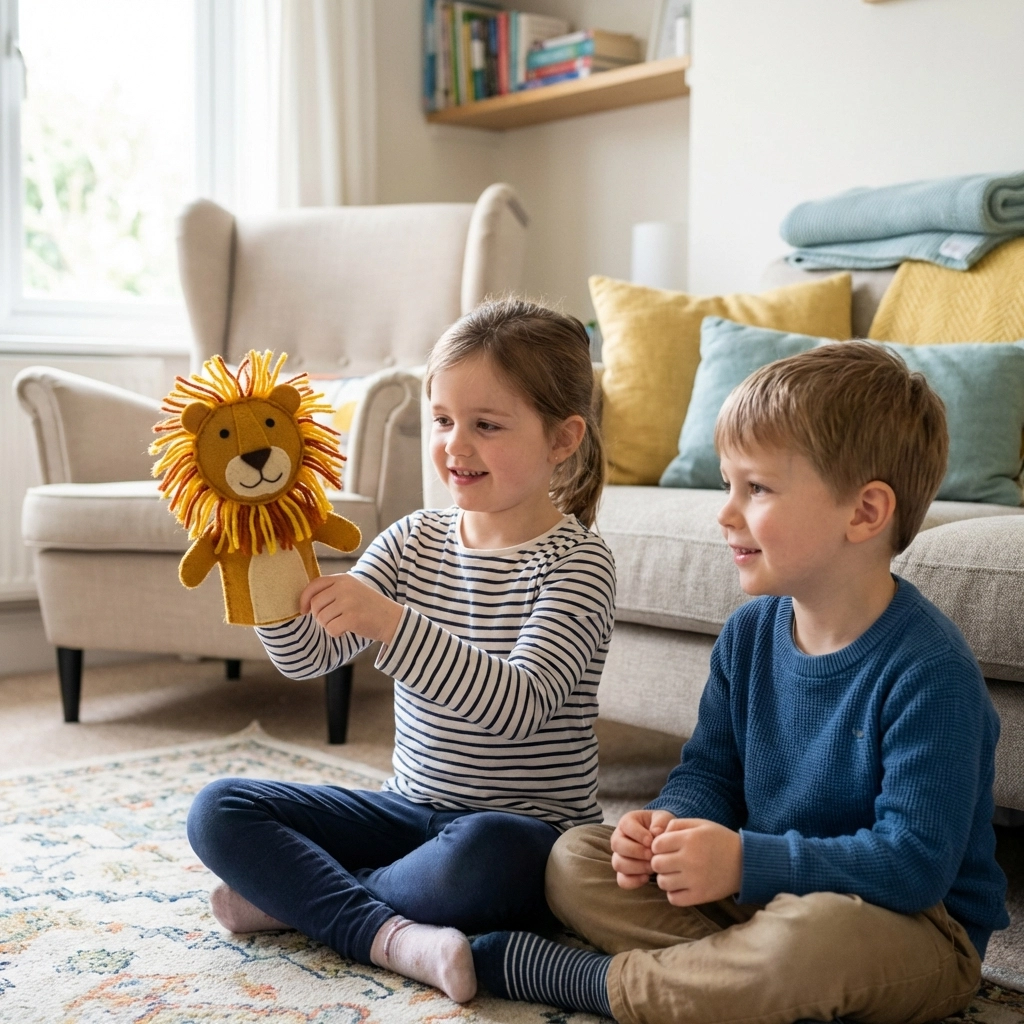
Sometimes children need a little distance from their own experiences to process them safely. Enter puppets.
What happens: Using puppets, dolls, or figurines, children act out scenarios: either from their own lives or imaginary situations. A child might use a puppet to express anger they're afraid to show directly, or practice difficult conversations through characters.
Why kids love it: It's play. Pure and simple. Children adore pretend play, and puppets add an extra layer of fun and creativity.
Why it works: The psychological distance created by puppets is powerful. When a child speaks through a puppet, they can explore feelings that might feel too vulnerable to own directly. It's also brilliant for practising social skills, working through conflicts, and building empathy.
4. Emotion Charades: Making Feelings Fun
Understanding emotions: both in ourselves and others: is a skill that needs to be developed. Emotion charades turns this learning into a game.
What happens: Children pick cards with different emotions (happy, frustrated, nervous, excited, disappointed) and act them out for others to guess. Variations might include drawing emotions, making sounds, or identifying feelings in pictures.
Why kids love it: It's a game! There's competition, laughter, and silliness. Even children who struggle to discuss their feelings will enthusiastically participate.
Why it works: This activity builds emotional intelligence in a low-pressure way. Children learn to recognise facial expressions, body language, and the nuances between similar emotions. These skills transfer directly to real-life situations.
5. Sensory Integration Activities: Calming the Nervous System
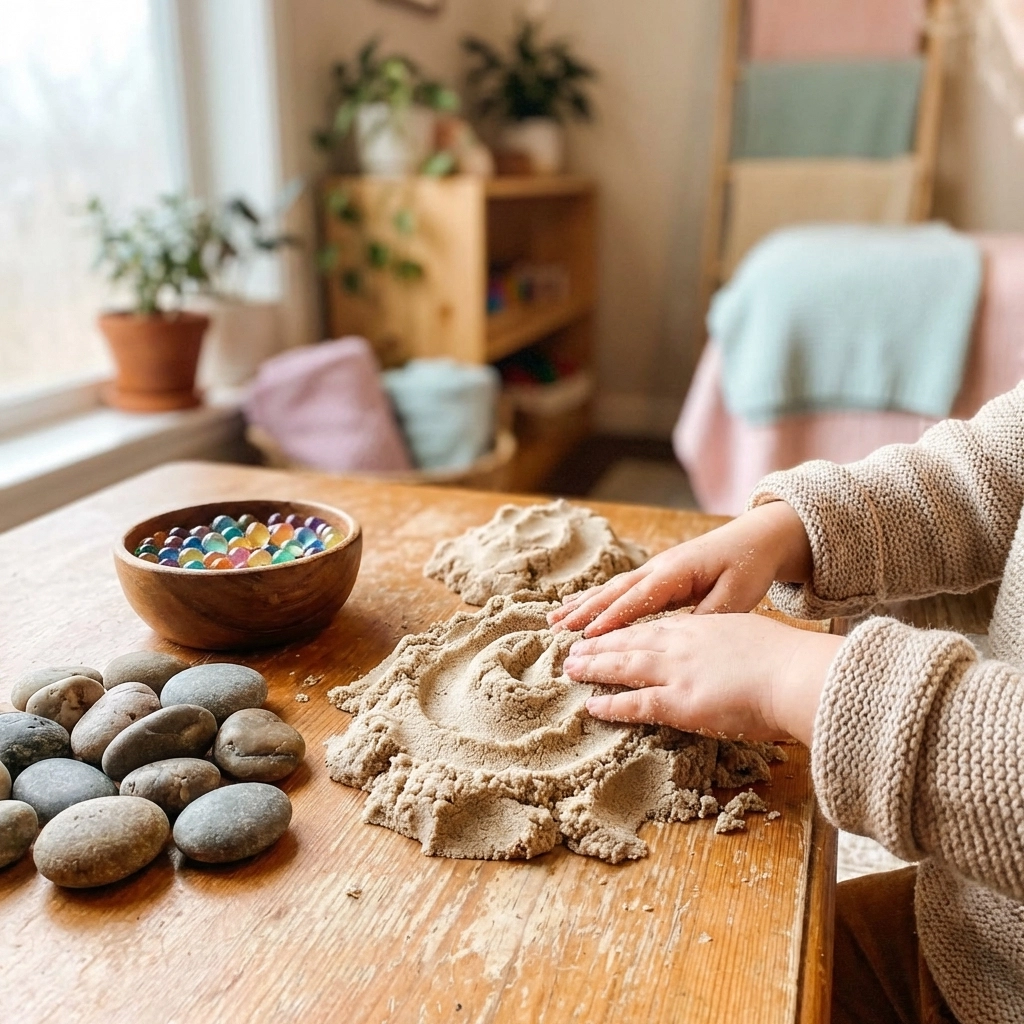
For many children: especially those dealing with anxiety, trauma, or sensory processing differences: calming activities that engage the senses can be transformative.
What happens: Activities might include playing with kinetic sand, exploring water tables, creating texture collages, using playdough, or engaging with sensory bins filled with rice, beans, or other materials.
Why kids love it: Sensory play is inherently enjoyable. There's something deeply satisfying about squishing, pouring, and exploring different textures. Many children find these activities instantly calming.
Why it works: Sensory activities help children regulate their nervous systems. When a child is dysregulated (anxious, overwhelmed, or shut down), engaging their senses can bring them back to a calmer state where therapeutic work becomes possible.
6. Movement-Based Activities: Bodies in Motion, Emotions in Check
Children have energy: lots of it. Movement-based therapy harnesses this natural need to move while supporting emotional development.
What happens: Activities might include obstacle courses, dancing to different types of music, simple yoga poses, or movement games that incorporate emotional awareness (like "freeze dance" with emotion prompts).
Why kids love it: They get to move! For children who struggle to sit still, movement-based activities feel like freedom rather than therapy.
Why it works: Movement supports multiple developmental areas simultaneously. It helps with body awareness, emotional regulation, and provides a healthy outlet for stress. Many children find it easier to talk while moving than while sitting still.
7. Therapeutic Games: Connection Through Play
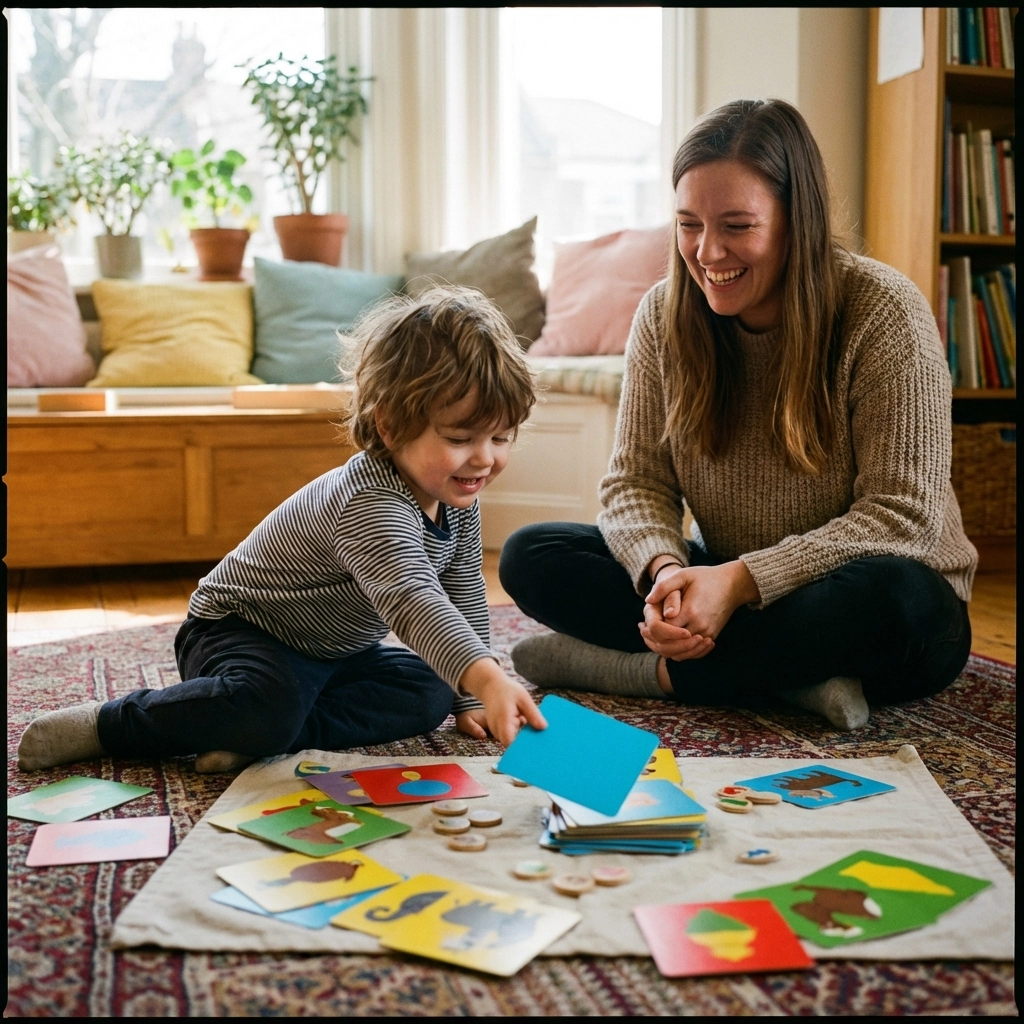
Specially designed therapeutic games create structured opportunities for children to build skills and discuss difficult topics in a normalised context.
What happens: Games might include emotion-focused card games, board games that prompt discussions about feelings and experiences, or cooperative games that build trust and teamwork.
Why kids love it: Games are familiar and fun. The competitive or cooperative elements create engagement, and the structure provides safety.
Why it works: Therapeutic games build trust between child and counsellor while creating natural opportunities for deeper conversations. Turn-taking teaches patience and social skills, while game-based discussions feel less confronting than direct questioning.
Why These Approaches Transform Therapy for Kids
The common thread running through all these activities? They meet children where they are.
Rather than expecting kids to engage in adult-style therapy, creative approaches speak their language. The therapeutic work happens within activities that feel enjoyable rather than clinical. Children process emotions, develop skills, and build resilience: all while having fun.
At Karinya Farm, we understand that every child is unique. What works brilliantly for one might not resonate with another. That's why having a range of creative approaches matters.
Taking the Next Step
If you're curious about how creative counselling might help your child, remember that seeking support is a sign of strength, not weakness. Every step forward counts, and finding the right approach can make all the difference.
We'd love to chat about your child's needs and explore which approaches might work best for your family. You can book a session or learn more about our counselling approach.
Together, we can help your child thrive.
Comments